Salir rápido
Pulsa este botón en cualquier momento para abandonar de inmediato esta página
Recuerda borrar tu historial de navegación para no dejar rastro después de informarte
Utilizamos cookies propias y de terceros únicamente para realizar mediciones y análisis estadísticos de la navegación por las diferentes secciones de la página web con la finalidad de mejorar el contenido que ofrecemos. Al hacer click en 'Aceptar todas las cookies', consiente que todas las cookies se guarden en su dispositivo. Para configurarlas o rechazar su uso haga click en el botón 'Configurar Cookies'.
Para más información consulte nuestra política de cookies
Salir rápido
Pulsa este botón en cualquier momento para abandonar de inmediato esta página
Recuerda borrar tu historial de navegación para no dejar rastro después de informarte
Régimen retributivo en 2026 de los Altos Cargos
Normativa aplicada: Ley 31/2022, de 23 de diciembre, de Presupuestos Generales del Estado, para el año 2023 y Real Decreto-ley 14/2025, de 2 de diciembre.
Complemento de antigüedad (12 mensualidades):
El Pleno del Consejo General del Poder Judicial, en su reunión de 25 de febrero de 1998 tomó el siguiente acuerdo: "Aprobar el abono de un complemento de adecuación en concepto de antigüedad a aquellos Vocales cuyos devengos anuales brutos en concepto de trienios sean inferiores a la cantidad correspondiente a cinco trienios de la Carrera Judicial. La cuantía del citado complemento de adecuación será la mínima, en cada momento, para completar la diferencia."
El Pleno con fecha 24 de septiembre de 2025, conforme al artículo 22. Dos de la Ley 31/2022, de Presupuestos Generales del Estado, para el año 2023, acordó:
“Aprobar un complemento personal de adecuación por antigüedad correspondiente a 15 años de antigüedad, para los altos cargos del Consejo que no tengan la condición de funcionario o funcionaria.”
En el 2026, dicho complemento asciende a 10.477,32 euros anuales a percibir en 12 pagas.
“Aprobar un complemento de adecuación por antigüedad para aquellos altos cargos que perciban retribuciones en concepto de trienios o antigüedad y cuya cuantía reconocida supere los cinco trienios correspondientes a la carrera judicial. Este complemento consistirá en añadir a cada trienio reconocido una cuantía anual, distribuida en doce mensualidades, con independencia de la carrera, cuerpo o escala en la que dichos trienios hayan sido perfeccionados.”
Para el 2026, dicho complemento asciende a 783,96 euros anuales
Información sobre la indemnización por abandono del cargo del Presidente
En el Consejo General del Poder Judicial sólo existe una indemnización por abandono de cargo, la que corresponde al Presidente del Tribunal Supremo y del Consejo General del Poder Judicial.
Presidenta:
Vocales:
Secretario General:
El Pleno en su reunión de 17 de diciembre de 2025 aprobó las Normas sobre indemnizaciones por razón de servicio con motivo de viajes y gastos de carácter protocolario representativo con cargo al presupuesto del Consejo General del Poder Judicial.
En las normas aprobadas por la Comisión Permanente se regula el sistema de control de gastos, para sus Altos Cargos, en los siguientes términos:
1.-ALTOS CARGOS
1.1-RÉGIMEN DE VIAJES OFICIALES
El/La Presidente/a, los/as Vocales cualquiera que sea la Comisión a la que pertenezcan y el/la Secretario/a General (Altos Cargos), para la realización de los viajes oficiales estarán sometidos al siguiente régimen de comunicaciones y autorizaciones:
1.1.1-Comunicaciones
a) Grupos de trabajo formalmente constituidos, foros y observatorios en los que el Consejo esté representado, actos oficiales organizados por el Consejo y actos con presencia oficial del Consejo, todos fuera de Madrid o aquellos dentro de Madrid que generen gasto.
La autorización de la comisión de servicio o de viaje se entenderá concedida con la convocatoria de las reuniones correspondientes.
b) Asistencias a tomas de posesión de presidentes/as de los Tribunales Superiores de Justicia, excepto las del Tribunal Superior de Justicia de Madrid.
La autorización de la comisión de servicio o de viaje se entenderá concedida con la convocatoria de la toma de posesión.
Se comunicarán a la Comisión de Asuntos Económicos a través de Gestión Gubernativa, con carácter previo al desplazamiento, a los solos efectos de la inclusión de la información en el orden del día de la Comisión de Asuntos Económicos y en el Portal de Transparencia (modelo 8).
1.1.2-Autorizaciones
a) Otras actividades en territorio nacional distintas de las del punto anterior:
La propuesta de autorización a la Comisión de Asuntos Económicos deberá ir siempre acompañada de justificación aclaratoria de su necesidad, excepto en aquellas reuniones o visitas que se organicen desde la vocalía en el marco de sus competencias como vocal territorial.
a.1.- Asistencia a reuniones o actividades organizadas por asociaciones judiciales.
Queda excluida, con carácter general, la asistencia o participación en actividades organizadas por asociaciones judiciales, incluyendo congresos, asambleas, reuniones o actos similares.
Excepcionalmente, podrá autorizarse dicha asistencia cuando se acredite que:
a) La participación del vocal responde al ejercicio de funciones propias del Consejo General del Poder Judicial, o
b) La asistencia se realiza en calidad de representante del Consejo en virtud de acuerdo, designación expresa o en el marco de competencias institucionales que lo justifiquen.
En ambos supuestos, será imprescindible aportar documento acreditativo de la convocatoria, invitación o designación, así como justificación razonada de su pertinencia.
a.2.- Asistencia a actividades formativas (cursos, conferencias, seminarios, etc.).
Únicamente se autorizarán desplazamientos y gastos derivados de la asistencia de los vocales a cursos, conferencias o actividades formativas no organizadas por el CGPJ cuando concurran de forma cumulativa las siguientes condiciones:
a) Que el vocal asista en representación institucional del Consejo, y
b) Que dicha participación se derive de una invitación formal o designación expresa que justifique su intervención como miembro del Consejo en el marco de sus funciones.
En todo caso, deberá aportarse la documentación justificativa correspondiente (invitación, acuerdo de designación u otro documento equivalente), junto con una exposición clara del interés institucional de la actividad.
Una vez realizada la propuesta por parte del Vocal a la Comisión de Asuntos Económicos, ésta revisará su viabilidad económica. Este hecho servirá de autorización de la comisión de servicio (Modelo 6). En el caso de que la propuesta realizada se refiera a un viaje que se efectúe previo a la siguiente Comisión de Asuntos Económicos, tendrá la consideración de urgente y será el Presidente/a de la Comisión quien estudie su viabilidad económica para, posteriormente, dar cuenta de ésta en la siguiente Comisión (Modelo 7). Del mismo modo que en las propuestas ordinarias, este estudio favorable tendrá la consideración de autorización de la comisión de servicio.
b) Actividades fuera del territorio nacional
La Comisión Permanente aprobará a efectos económicos la autorización de la comisión de servicio o de viaje fuera del territorio nacional.
1.1.3-Transparencia de las autorizaciones y de las comunicaciones
Los Altos Cargos del Consejo deberán indicar, en sus solicitudes de autorización y en sus comunicaciones, el lugar, fecha y finalidad de sus viajes oficiales.
Las autorizaciones y las comunicaciones se reflejarán en el portal de transparencia del Consejo, mediante la publicación del orden del día y de los acuerdos de la Comisión de Asuntos Económicos y de la Comisión Permanente, así como a través de la publicación trimestral de la relación de los viajes realizados por los Altos Cargos del Consejo.
Las autorizaciones y las comunicaciones serán necesarias para la tramitación de la liquidación del viaje.
1.2-JUSTIFICACIÓN DE GASTOS DE VIAJE
Cuando los/as Altos Cargos del Consejo realicen, en territorio nacional, alguna de las funciones que, de acuerdo con el Real Decreto 462/2002 de 24 de mayo sobre indemnizaciones por razón del servicio, dan derecho a indemnización, serán resarcidos conforme al régimen general de dietas, con las variaciones y el límite de los importes que se indican a continuación.
|
GRUPO |
ALOJAMIENTO |
MANUTENCIÓN |
TOTAL |
|
Altos Cargos |
170,00 |
53,34 |
223,34 |
Cuando se trate de viajes dentro del territorio nacional, se acompañará necesariamente, al formulario de la liquidación de gastos, la autorización o comunicación del viaje (apartado 1.1.3 de las normas), la actividad concreta del viaje oficial relacionada con el cargo y las funciones, además del destino, itinerario, fechas y horarios de inicio y fin del viaje.
Los días de desplazamiento, salvo causa justificada, comprenderán los de realización de la actividad más los días anterior y posterior, si fueran necesarios, a efectos del desplazamiento o del desarrollo de la actividad.
Cuando el importe en concepto de alojamiento supere el establecido en este punto 1.2., será el/la Secretario/a General quien autorizará la superación de esta cantidad.
A los mismos efectos, cuando se trate de un viaje al extranjero, será necesario adjuntar la autorización previa de la comisión de servicio o de viaje de la Comisión Permanente en la que constarán las condiciones para los desplazamientos y el presupuesto correspondiente. Igualmente, se debe reflejar en la liquidación de gastos el destino, itinerario, fechas y horarios de salida y regreso, los cuales deberán corresponderse con los autorizados por la Comisión Permanente, salvo emergencia o imprevisto justificados, que deberá ser valorado por dicha Comisión.
En casos muy excepcionales y previa autorización de la Comisión Permanente, se podrá viajar a gastos. En este caso se abonará la cuantía exacta de los gastos realizados, no pudiendo percibir ningún otro tipo de indemnización, y debiendo justificar el 100% de los mismos con las correspondientes facturas o tiques electrónicos.
Según establece el artículo 8.2. de la Ley 3/2015 reguladora del ejercicio del alto cargo, el uso del servicio del Parque Móvil estará vinculado con las obligaciones de desplazamiento derivadas del desempeño de las funciones del alto cargo.
1.3-RESIDENCIA FAMILIAR
Residencia familiar en término municipal distinto al de destino. Para garantizar la igualdad de todos los/as Vocales con independencia de su residencia y dada la temporalidad del cargo, en aplicación del Real Decreto 462/2002, de 24 de mayo, los/as Altos Cargos tendrán derecho a ser resarcidos de los gastos de desplazamiento generados como consecuencia del mantenimiento de la residencia familiar en municipio distinto al destino.
Estos desplazamientos se limitarán a un viaje de ida y vuelta a la semana, que incluirá el fin de semana. Cuando en la semana hubiera un festivo o varios no unidos al fin de semana o cuando sea comienzo o fin de un período vacacional se limitarán a dos viajes de ida y vuelta, salvo circunstancia excepcional debidamente justificada. En la correspondiente liquidación de gastos se hará constar que el motivo de estos viajes es el desplazamiento a la residencia familiar.
Si durante el periodo vacacional, hubiera que asistir presencialmente a alguna reunión debidamente justificada o comisión de las legalmente establecidas, se abonarán los gastos de desplazamiento desde su lugar de vacaciones (siempre dentro del territorio nacional) al lugar de la celebración de la reunión o comisión.
1.4-CLASE DE LOS VIAJES
Los desplazamientos de los altos cargos del Consejo General del Poder Judicial se ajustarán a lo dispuesto en el Real Decreto 462/2002 sobre indemnizaciones por razón del servicio.
Los viajes se planificarán, siempre que lo permitan las necesidades del servicio y las posibles modificaciones de la agenda oficial, con el tiempo suficiente para poder acceder a tarifas más idóneas para su realización.
El Consejo General del Poder Judicial tratará de optimizar las condiciones de los viajes con las diferentes operadoras y agencias de viajes que se puedan contratar en el futuro, mediante la compra de bonos u otros medios que hagan más económicos los desplazamientos.
Los desplazamientos en avión de Altos Cargos del Consejo se realizarán con la tarifa que resulte idónea para la actividad de que se trate, pudiéndose utilizar la clase superior a turista exclusivamente en viajes de más de tres horas de duración o cuando no hubiera billetes disponibles en dicha categoría, en este último caso se deberá presentar justificación de la agencia de viajes al liquidar el viaje.
1.5 GASTOS DE CARÁCTER PROTOCOLARIO O REPRESENTATIVO DE LOS/AS ALTOS CARGOS
Son los gastos que se produzcan como consecuencia de los actos de protocolo y representación que los/as Altos Cargos del Consejo tengan necesidad de realizar en el desempeño de sus funciones con personas ajenas al Consejo, tanto en territorio nacional como en el extranjero, siempre que dichos gastos redunden en beneficio o utilidad de la Administración de Justicia y para los que no existan créditos específicos en otros conceptos.
Para la liquidación de estos gastos se rellenará el modelo 4.1, donde vendrán detallados, entre otros datos, el objeto del gasto, el cargo o profesión de la persona o personas que lo originan (miembro o alto cargo del gobierno, parlamentario/a, autoridad judicial, local, de organismo constitucional o similar) a fin de determinar que los gastos efectivamente se realizaron con fines protocolarios o representativos y que son ajustados a las actividades del Consejo, y también se detallará en el modelo el tercero al que se le efectuará el pago, así como su cuenta bancaria.
Con el modelo y los justificantes del gasto (facturas) se elaborará un único PDF que se firmará electrónicamente por el/la Alto Cargo y se remitirá al correo electrónico que Gerencia tiene habilitado (gerencia.dietas.vocalias@cgpj.es).
Cuando los gastos de carácter protocolario o representativo tengan lugar durante uno de los viajes a que se refiere el apartado anterior, se liquidarán de forma conjunta con los de desplazamiento, alojamiento y manutención que, en su caso, se hayan originado.
Todas las facturas originales que justifiquen el gasto deberán conservarse en la secretaría del/la Alto Cargo, durante cuatro años, a disposición del Consejo por si fuera necesario realizar cualquier comprobación.
Las facturas que hayan causado el gasto deberán cumplir con los requisitos establecidos en la normativa vigente (no se admitirán facturas proforma).
No se incluirán en este apartado los gastos originados por reuniones de los/as Altos Cargos con personal de Consejo; para estos gastos se tramitará un expediente previo a la reunión que deberá ser fiscalizado y debidamente autorizado.
1.6-ANTICIPOS
Los/as Altos Cargos del Consejo, siempre que realicen viajes oficiales por cuenta del Consejo, podrán solicitar un anticipo a la Gerencia por el importe aproximado de los gastos de manutención, alojamiento y desplazamiento que pudieran corresponderle, cumpliendo las siguientes normas:
El importe anticipado se descontará de la cantidad total a pagar al interesado/a, que resulte después de efectuar la liquidación de gastos.
Si se tuviera que reintegrar dinero del anticipo, se podrá optar entre reintegrarlo en efectivo o mediante transferencia bancaria a la cuenta del Consejo, no pudiendo solicitarse nuevos anticipos en tanto no sean reintegrados los saldos resultantes de liquidaciones de gastos realizadas.
1.7-LIQUIDACIÓN DE GASTOS
Las liquidaciones de viajes internacionales o viajes por motivo de cursos de formación se presentarán nada más terminar las actividades que las hayan originado.
Cuando se realicen viajes oficiales con derecho a indemnizaciones que no sean viajes internacionales o viajes por motivo de cursos de formación, deberán presentarse las liquidaciones correspondientes en los primeros diez días del mes siguiente después de la realización del gasto junto con el resumen mensual de liquidaciones (modelo 4.3 y, si procede, modelo 4.4). En el resumen figurarán todos los viajes realizados en el mes, aunque se hayan liquidado con anterioridad a la presentación del resumen.
Se rellenará un único formulario por viaje (modelo 1.1), donde vendrán detallados los justificantes de los gastos de desplazamiento, alojamiento y manutención en que se hubiese incurrido y, junto con todos los justificantes del gasto escaneados (facturas, billetes, tarjetas de embarque, tiques y demás documentación), se elaborará un único PDF que vendrá nombrado como “Modelo 1.1 de fecha dd/mm/aa, nombre y apellido Alto Cargo” y que se firmará electrónicamente. A dicho PDF también se acompañarán las facturas de la agencia de viajes.
Tanto el modelo 4.3 como todos los PDF firmados de cada una de las liquidaciones, se enviarán al correo gerencia.dietas.vocalias@cgpj.es.
Si se han producido gastos de atenciones representativas durante un viaje, se liquidarán conjuntamente los modelos 1.1 y 4.1.
Cuando se liquiden solamente gastos de atenciones protocolarias o representativas se deberá cumplimentar el modelo 4.1, y junto con las facturas registradas se elaborará un único PDF que se firmará electrónicamente y se hará llegar al correo electrónico gerencia.dietas.vocalias@cgpj.es en el que Gerencia recibe esta documentación.
Las facturas que hayan causado el gasto deberán cumplir con los requisitos que establece la normativa vigente (no se admitirán facturas proforma).
Toda la documentación original, las facturas, billetes, tarjetas de embarque, tiques y demás documentación que justifique el gasto, deberá conservarse durante cuatro años, a disposición del Consejo por si fuera necesario realizar cualquier comprobación.
Cuando se hayan producido variaciones en las actividades programadas consecuencia de causas sobrevenidas que hayan dado lugar a gastos derivados de cambios de billetes o anulaciones con gastos, así como cuando se produzca cualquier otra incidencia en la documentación a adjuntar (billetes o tiques borrosos, recibos incompletos, etc.) es obligatorio reflejar estos cambios e incidencias en el apartado Observaciones del modelo 1.1, que siempre se presentará, aunque no haya otro tipo de gastos.
1.7.1-Salas de Autoridades
Serán abonados con cargo al Consejo los gastos por la utilización de salas de autoridades siempre y cuando estos gastos se realicen por motivo de un viaje oficial o, en su caso, se deriven de lo establecido en la Disposición adicional cuarta del Real Decreto 462/2002 sobre indemnizaciones por razón del servicio.
Podrán hacer uso de las salas de autoridades a cargo del Consejo los/as Altos Cargos del Consejo, los/as Magistrados/as del Supremo que viajen en representación de su Presidente/a y el personal del Consejo que vaya formando parte de una delegación de un viaje oficial en el que viajen Altos Cargos del Consejo que hagan uso de salas de autoridades.
Para realizar la liquidación de estos gastos es imprescindible adjuntar la autorización expresa del viaje mencionada en el primer párrafo de este punto, salvo en el supuesto de la disposición adicional cuarta del Real Decreto 462/2002 donde la propia disposición reglamentaria se entiende como autorizante de la sala de autoridades.
1.7.2-Gastos de locomoción
Cuando se realice un desplazamiento por cuenta del Consejo, deberá rellenarse el modelo 1.1 donde deberá constar el día y la hora tanto de salida como de llegada, itinerario, destino y motivo del viaje.
En caso de utilización de servicios asociados al uso de las Salas de Autoridades o servicio de coche oficial del Parque Móvil, deberá incorporarse escaneada la correspondiente factura y para la Sala de Autoridades, además, la correspondiente autorización. Si en el momento de presentar la liquidación del viaje, faltase alguna factura de estos gastos, se hará constar en la hoja resumen mensual, aclarando qué justificante no se aporta por no disponer de él.
Deberán presentarse escaneados los billetes o las tarjetas de embarque y la factura, aunque el desplazamiento haya sido concertado con la agencia de viajes del Consejo y, por lo tanto, el interesado/a no haya abonado el importe del mismo.
En caso de pérdida o extravío de algún billete o tarjeta de embarque, el Alto cargo deberá firmar una declaración responsable donde exprese tal circunstancia.
También se abonarán los gastos de taxis o parking, y demás gastos a que hace referencia el RD 462/2002 estrictamente relacionados con el viaje oficial y siempre justificados con facturas, tiques electrónicos o recibos.
Las facturas, tiques electrónicos y demás documentos probatorios de la realización del gasto deberán cumplir los requisitos previstos en la normativa vigente.
1.7.3-Gastos de alojamiento, manutención y otros gastos
Se abonará el importe de los gastos de alojamiento, incluido el desayuno, hasta el importe máximo establecido en el apartado 1.2 de estas normas, siempre que se justifique, presentando la factura original a nombre del interesado/a.
No se abonarán, en ningún caso, todos aquellos gastos (Internet, teléfono, etc.) que no sean estrictamente consecuencia del viaje oficial.
Cuando el desplazamiento sea fuera del territorio nacional se abonará la cantidad que apruebe la Comisión Permanente al autorizar el viaje.
Extraordinariamente cuando la cuantía del alojamiento fuera superior a la establecida en esta norma, previa petición y justificación del/la Alto Cargo, el/la Secretario/a General podrá autorizar dicho importe.
Se abonará el importe de los gastos de manutención, sin la presentación de justificantes, hasta el importe máximo que se establece en el apartado 1.2, según lo establecido en el RD 462/2002.
Cuando excepcionalmente el viaje se realice a gastos, se abonarán todos los gastos de manutención producidos durante el viaje, siempre que se justifiquen con facturas, que deberán contener, al menos, los requisitos enumerados en el artículo 7 del RD 1619/2012 para las facturas simplificadas.
En el caso de invitaciones oficiales (comida o cena) se harán constar en el modelo 1.1 apartado Observaciones y en el resumen mensual.
Para el cálculo de dietas se estará a lo establecido en el artículo 12 de RD 462/2002.
1.8-RÉGIMEN ESPECIAL MAGISTRADOS DEL TRIBUNAL SUPREMO
La sala de Gobierno del Tribunal Supremo está constituida por el/la Presidente/a del Tribunal Supremo, que la preside, los cinco Presidentes de Sala y por cinco Magistrados del Tribunal Supremo elegidos por los Magistrados del Alto Tribunal.
Cuando un miembro de la sala de Gobierno tenga que realizar un viaje en representación de la Presidenta del Tribunal Supremo, con cargo al presupuesto del Consejo General del Poder Judicial, ostentará la misma condición que un Vocal del Consejo en lo relativo a los apartados 1.2, 1.6 y 1.7. que regulan esta Norma. No obstante, si ningún miembro de la sala de Gobierno del Tribunal Supremo pudiera realizar el viaje, excepcionalmente se podría designar a cualquier otro Magistrado o Magistrada del Alto Tribunal que, asimismo, ostentaría la misma condición antes expuesta.
Se presenta a continuación la relación de viajes realizados por los Altos Cargos del Consejo según su objeto. La relación de viajes, que se actualizará trimestralmente, distingue los relativos a la asistencia a Pleno y Comisiones de los que tienen diferente objeto:
Desplazamientos liquidados durante el ejercicio 2014
Desplazamientos liquidados durante el ejercicio 2015
Desplazamientos liquidados durante el ejercicio 2016
Desplazamientos liquidados durante el ejercicio 2017
Desplazamientos liquidados durante el ejercicio 2018
Desplazamientos liquidados durante el ejercicio 2019
Desplazamientos liquidados durante el ejercicio 2020
Desplazamientos liquidados durante el ejercicio 2021
Desplazamientos liquidados durante el ejercicio 2022
Desplazamientos liquidados durante el ejercicio 2023
Desplazamientos liquidados durante el ejercicio 2024 (Tercer trimestre) (Anterior Consejo)
Desplazamientos liquidados durante el ejercicio 2024 (Nuevo Consejo)
Desplazamientos liquidados durante el ejercicio 2025
Desplazamientos liquidados durante el ejercicio 2026 (Primer trimestre)
1.- El presidente del Tribunal Supremo y del Consejo General del Poder Judicial, y el presidente de Transparencia Internacional España suscribieron el 11 de julio de 2022 la prórroga por cuatro años del convenio de colaboración entre ambas instituciones firmado el 11 de julio de 2018, que amplía el suscrito en 2014 y que tiene como objetivo profundizar en la política iniciada ya entonces por el órgano de gobierno de los jueces de funcionamiento transparente acorde a los estándares nacionales e internacionales.
2.- El convenio firmado el 2 de julio de 2014 supuso que, además de mantener e implementar de manera estricta y rigurosa las obligaciones que sobre publicidad activa prevé la Ley 19/2013, de 9 de diciembre, de transparencia, acceso a la información pública y buen gobierno, el Consejo General del Poder Judicial hiciera pública de forma clara, comprensible y reutilizable toda una serie de información adicional.
3.- En el marco del convenio de 2018 se da un paso más en esa línea, al poner de manifiesto el Consejo General del Poder Judicial que, además de dar estricto cumplimiento a la Ley 19/2013, de 9 de diciembre, este Órgano Constitucional está interesado en consolidar una verdadera política de transparencia en su funcionamiento, que constituya un eje fundamental de su actividad, convirtiéndose de esta forma en un modelo de gestión transparente en el contexto de las Administraciones y Órganos Constitucionales del Estado.
4.- Por ello, con la firma de dicho convenio, el Consejo General del Poder Judicial se comprometió a profundizar en la política ya iniciada de funcionamiento transparente acorde a los estándares nacionales e internacionales y, en concreto, se comprometió a mantener e implementar de manera estricta y rigurosa las obligaciones que sobre publicidad activa previene la Ley 19/2013, así como a elaborar y dar publicidad de forma clara, comprensible y reutilizable, cuando su naturaleza lo permita, a toda una serie de información adicional recogida en los dos Anexos del Convenio.
5.- El Anexo I recoge los indicadores que ya quedaron incorporados al Convenio firmado el 2 de julio de 2014, y que Transparencia Internacional ya ha constatado formalmente que han sido cumplidos en su integridad.
6.- El Anexo II recoge una relación adicional de indicadores que, sumados a los anteriores, habrán de ser igualmente objeto de cumplimiento por el Consejo General del Poder Judicial.
7.- Con la firma el 11 de julio de 2022 de la prórroga por cuatro años del Convenio de 2018, se sustituye el Anexo II por el Anexo B, con un nuevo listado de indicadores, uno de los cuales es «Elaboración para su publicación en el Portal de Transparencia del CGPJ de una guía informativa de los escenarios de posibles conflictos de intereses y la solución ofrecida legalmente».
8.- La Ley 19/2013, de 9 de diciembre, de transparencia, acceso a la información pública y buen gobierno de España, reconoce a los conflictos de intereses como situaciones que pueden afectar la objetividad e imparcialidad de las personas servidoras públicas de modo que, cuando intervienen, con motivo de sus funciones en la atención, tramitación o resolución de un asunto bajo este supuesto, son sujetos de responsabilidad administrativa. Por ello, dicha Ley establece un régimen sancionador en tres áreas, una de las cuales es en materia de conflicto de intereses.
9.- En lo que respecta a este ámbito, esta Ley se aplica a los altos cargos del Estado, contratistas y demás sujetos obligados. Estos deben declarar sus bienes y rentas, impuesto sobre la renta y complementarios, y registrar sus conflictos de interés. Por ello, el artículo 27 de la Ley 19/2013 establece que «el incumplimiento de las normas de incompatibilidades o de las que regulan las declaraciones que han de realizar las personas comprendidas en el ámbito de este título será sancionado de conformidad con lo dispuesto en la normativa en materia de conflictos de intereses de la Administración General del Estado»; no obstante, a renglón seguido, el propio precepto determina, en relación a la sanción por incumplimiento del régimen de incompatibilidades, que la misma se exigirá «para el resto de Administraciones de acuerdo con su propia normativa que resulte de aplicación».
10.- El artículo 122.2 CE establece como una de las materias reservadas a la Ley Orgánica reguladora del Consejo General del Poder Judicial «el régimen de incompatibilidades de sus miembros».
11.- En la regulación de ese régimen efectuada por la Ley Orgánica 4/2013, de 28 de junio, de reforma del Consejo General del Poder Judicial, por la que se modifica la Ley Orgánica 6/1985, de 1 de julio, del Poder Judicial, cabe distinguir las causas de incompatibilidad originarias, que impedirían la designación como Vocal, y las causas de incompatibilidad sobrevenidas que determinan el cese de apreciarse su concurrencia.
12.- En cuanto a las primeras, baste decir que el artículo 567.3 LOPJ en relación con los Vocales de origen no judicial dispone que «[q]uien, deseando presentar su candidatura para ser designado Vocal, ocupare cargo incompatible con aquél según la legislación vigente, se comprometerá a formalizar su renuncia al mencionado cargo si resultare elegido». Por su parte, en relación con los Vocales de origen judicial, el artículo 573 LOPJ dispone lo siguiente: «1. Cualquier Juez o Magistrado en servicio activo en la carrera judicial podrá presentar su candidatura para ser elegido Vocal por el turno judicial, salvo que se halle en alguna de las situaciones que, conforme a lo establecido en esta Ley, se lo impidan. 2. El Juez o Magistrado que, deseando presentar su candidatura para ser designado Vocal, ocupare cargo incompatible se comprometerá a formalizar su renuncia al mencionado cargo si resultare elegido».
13.- El régimen de incompatibilidades sobrevenidas viene establecido por los artículos 579, apartados 1, 2 y 3; 580, apartado 1; y 582, apartado 1, todos ellos de la LOPJ. Los referidos preceptos disponen lo siguiente:
«Artículo 579.
[…]
Artículo 580.
[…]
Artículo 582.
[…].»
14.- Hasta tanto no entre en vigor el nuevo régimen de dedicación de los Vocales previsto en la LO 4/2018, de 28 de diciembre, de reforma de la Ley Orgánica 6/1985, de 1 de julio, del Poder Judicial (Disposición transitoria tercera), el legislador orgánico ha optado por establecer un régimen de incompatibilidades distinto para los Vocales que integren la Comisión Permanente y los Vocales que no forman parte de esta comisión legal. Los primeros tienen un régimen de dedicación exclusiva que comporta que aquellos que tengan la condición de funcionarios públicos pasen a la situación de servicios especiales en sus cuerpos de origen. Se precisa, además, que los Vocales de origen judicial con dedicación exclusiva no podrán compatibilizar su cargo con el desempeño simultáneo de otras responsabilidades gubernativas en el ámbito judicial. Asimismo, el cargo de Vocal con dedicación exclusiva es incompatible con el ejercicio de cualquier actividad profesional (art. 579.1 LOPJ a contrario).
15.- Los Vocales sin dedicación exclusiva, esto es, aquellos que no formen parte de la Comisión Permanente, pueden compatibilizar la función de Vocal con el servicio activo en la carrera judicial u otro cuerpo funcionarial al que pertenezcan o con el ejercicio de la profesión de abogado o procurador u otra profesión liberal.
16.- De acuerdo con el artículo 580.1 LOPJ, se dispone la incompatibilidad «con cualquier otro cargo público, electivo o no electivo, con la sola excepción en su caso del servicio en el cuerpo a que pertenezcan».
17.- Asimismo, en relación con los conflictos de intereses, hay que tener en cuenta lo siguiente: a) el apartado 2 del artículo 580 LOPJ se refiere a que regirán para los Vocales del Consejo General del Poder Judicial las causas de abstención y recusación legalmente establecidas para las autoridades y personal al servicio de la Administración General del Estado y, en todo caso, deberán abstenerse de conocer aquellos asuntos en los que pueda existir un interés directo o indirecto, o cuando su intervención en los mismos pudiera afectar a la imparcialidad objetiva en su actuación como Vocal; b) el apartado 3 del mencionado precepto establece que los Vocales del Consejo General del Poder Judicial no podrán invocar o hacer uso de su condición de tales en el ejercicio de su profesión; y, c) el apartado 4 del artículo mencionado considera un incumplimiento muy grave de los deberes inherentes al cargo de Vocal el quebrantamiento de la prohibición impuesta en el apartado anterior, así como la utilización de su condición de tal para cualesquiera fines, públicos o privados, ajenos al adecuado ejercicio de las atribuciones del Consejo General del Poder Judicial.
18.- En cuanto a las consecuencias del incumplimiento muy grave contemplado en el apartado 4 del artículo 580, establece el mismo apartado 4 que el Pleno por mayoría de tres quintos podrá destituir al Vocal infractor.
19.- Del mismo modo el apartado 1 del artículo 582 LOPJ establece que el Pleno, con la misma mayoría, podrá apreciar la incompatibilidad o incumplimiento grave de los deberes del cargo, lo que determinará el cese del Vocal afectado.
20.- LO 4/2018, de 28 de diciembre, de reforma de la Ley Orgánica 6/1985, de 1 de julio, del Poder Judicial, modifica la redacción del artículo 579 LOPJ y suprime el apartado 1 del artículo 580. Estas modificaciones no entrarán en vigor hasta la constitución del primer Consejo General del Poder Judicial que lo haga tras la entrada en vigor de esta Ley (Disposición transitoria tercera), por lo que actualmente no están en vigor, ya que no se ha constituido nuevo consejo desde la entrada en vigor de dicha Ley.
21.- Cuando ello suceda, la redacción del artículo 579, en sus apartados 1, 3 y 5, será la siguiente:
«Artículo 579.
[…]
[…]
Y desaparece el apartado 1 del artículo 580 LOPJ.
22.- Lo anterior supondrá la equiparación del régimen de incompatibilidades para los Vocales que integren la Comisión Permanente y los Vocales que no forman parte de esta comisión legal, pues ya no existirá distinción, siéndoles de aplicación a todos ellos las incompatibilidades específicas de los jueces y magistrados recogidas en el artículo 389 LOPJ. En este precepto se listan de manera detallada todas las causas de incompatibilidad de los Jueces y Magistrados, que serán aplicables también a todos los miembros del CGPJ, del siguiente modo:
«Artículo 389.
El cargo de Juez o Magistrado es incompatible:
1º) Con el ejercicio de cualquier otra jurisdicción ajena a la del Poder Judicial.
2º) Con cualquier cargo de elección popular o designación política del Estado, Comunidades Autónomas, Provincias y demás entidades locales y organismos dependientes de cualquiera de ellos.
3º) Con los empleos o cargos dotados o retribuidos por la Administración del Estado, las Cortes Generales, la Casa Real, Comunidades Autónomas, Provincias, Municipios y cualesquiera entidades, organismos o empresas dependientes de unos u otras.
4º) Con los empleos de todas clases en los Tribunales y Juzgados de cualquier orden jurisdiccional.
5º) Con todo empleo, cargo o profesión retribuida, salvo la docencia o investigación jurídica, así como la producción y creación literaria, artística, científica y técnica y las publicaciones derivadas de aquélla, de conformidad con lo dispuesto en la legislación sobre incompatibilidades del personal al servicio de las Administraciones Públicas.
6º) Con el ejercicio de la Abogacía y de la Procuraduría.
7º) Con todo tipo de asesoramiento jurídico, sea o no retribuido.
8º) Con el ejercicio de toda actividad mercantil, por sí o por otro.
9º) Con las funciones de Director, Gerente, Administrador, Consejero, socio colectivo o cualquier otra que implique intervención directa, administrativa o económica en sociedades o empresas mercantiles, públicas o privadas, de cualquier género».
23.- Todos tendrán un régimen de dedicación exclusiva que comporta que aquellos que tengan la condición de funcionarios públicos, tanto judiciales como no judiciales, pasen a la situación de servicios especiales en sus cuerpos de origen (apartado 2 del artículo 579). Se precisa, además, que ninguno de ellos podrá compatibilizar su cargo con el desempeño simultáneo de cualquier otro puesto, profesión o actividad, públicos o privados, por cuenta propia o ajena, retribuidos o no, a excepción de la mera administración del patrimonio personal o familiar. Asimismo, no podrán compatibilizar su cargo con el desempeño simultáneo de otras responsabilidades gubernativas en el ámbito judicial, debiendo ser asumidas dichas responsabilidades por quien deba sustituir al interesado según la legislación vigente (se entiende para el caso de los Vocales de origen judicial).
24.- Además, tanto el Presidente, como los Vocales (y el Secretario General), están sujetos al deber de efectuar una declaración de bienes y derechos y al control y gestión de activos financieros de los que sean titulares en los términos previstos en los artículos 17 y 18 de la Ley 3/2015, de 30 de marzo, reguladora del ejercicio del alto cargo de la Administración General del Estado, con las adaptaciones que sean precisas a la organización del Consejo, que se establecerán en el Reglamento de Organización y Funcionamiento del mismo, lo que hasta ahora no se recogía expresamente y con lo que se da cumplimiento en parte al punto 14 del Anexo B del Convenio, añadido en la prórroga de 11 de julio de 2022, cuya redacción es la siguiente: «Ficha individualizada de cada uno de los altos cargos del CGPJ, incluyendo fotografía, breve curriculum, correo electrónico y teléfono de contacto, identificación de su Secretaria y ubicación de su despacho en el CGPJ. Retribución. Indemnizaciones que podrían recibir tras el cese de sus cargos. Si se tratara de altos cargos, que vayan a gestionar intereses económicos de la Institución, relación sucinta del valor económico de su patrimonio actual. Personal eventual asignado directamente al alto cargo».
25.- En todo caso y en lo relativo al deber de efectuar una declaración de bienes y derechos y al control y gestión de activos financieros de los que sean titulares, la LO 4/2018, de 28 de diciembre, prevé una modificación de Acuerdo de 22 de abril de 1986, del Consejo General del Poder Judicial, por el que se aprueba el Reglamento de Organización y Funcionamiento del Consejo General del Poder Judicial, con el fin de efectuar las adaptaciones que sean precisas a la organización del Consejo, en lo que sea necesario con el fin de ajustar la regulación de Ley 3/2015, de 30 de marzo al la situación específica del Presidente y de los Vocales del CGPJ, diferente del resto de los cargos de la AGE.
26.- El régimen de abstención y recusación no se modifica, ni tampoco el procedimiento ni el órgano encargado de apreciar las causas de incompatibilidad o de abstención y recusación.
Gabinete Técnico - Estudios e Informes (CGPJ)
Además del vehículo de la Presidenta que utiliza en su doble condición de Presidenta del Tribunal Supremo y del CGPJ, el Consejo General del Poder Judicial cuenta con 23 vehículos del Parque Móvil Estatal:
Obsequios recibidos por la presidencia del CGPJ, y depositados en la sede de la misma
Año 2018:
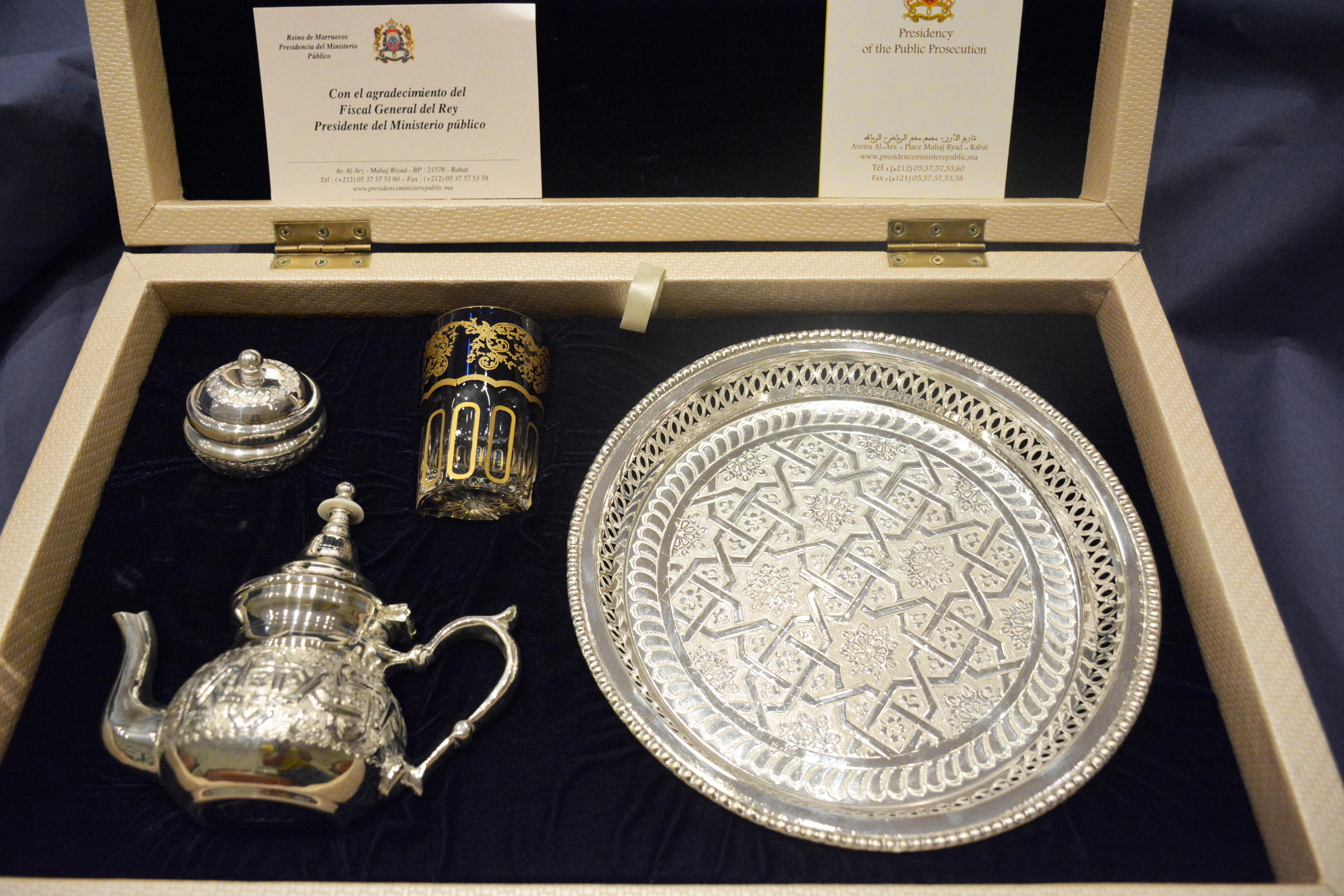
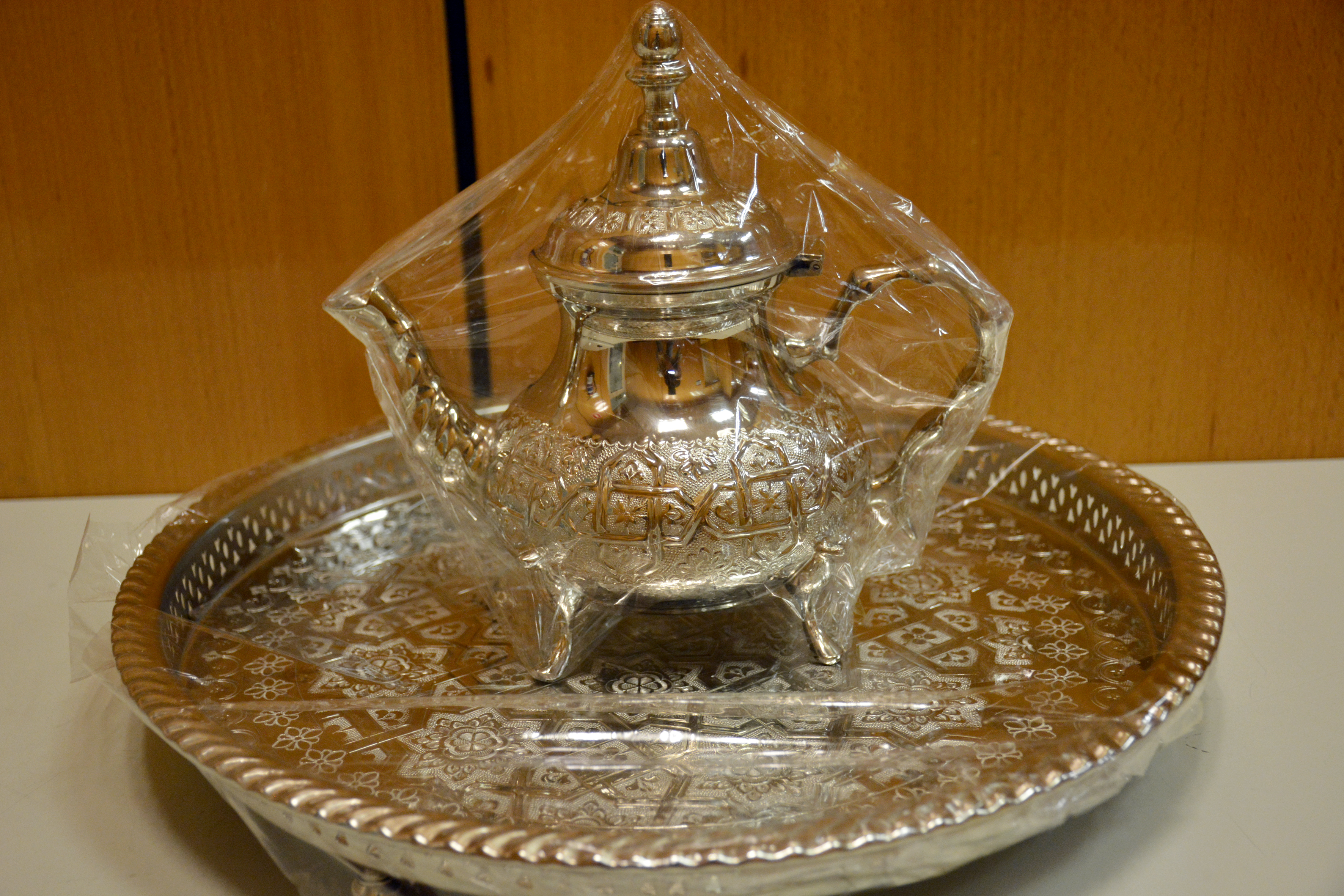
Septiembre 2018. Donado por Fiscal Superior del Rey jefe del Ministerio Público Reino de Marruecos: Tetera.
Septiembre 2018. Donado por el Centro de Estudios Jurídicos y Constitucionales: Colección de libros “España constitucional”
Octubre 2018. Regalo del Superior Tribunal de Justiça de Brasil.
Octubre 2018. Donado por la Corte Suprema de Argentina: Caja grabada en plata
Octubre 2018. Donado por la Delegación Judicial Mongolia: Botella en caja y pergamino personalizado
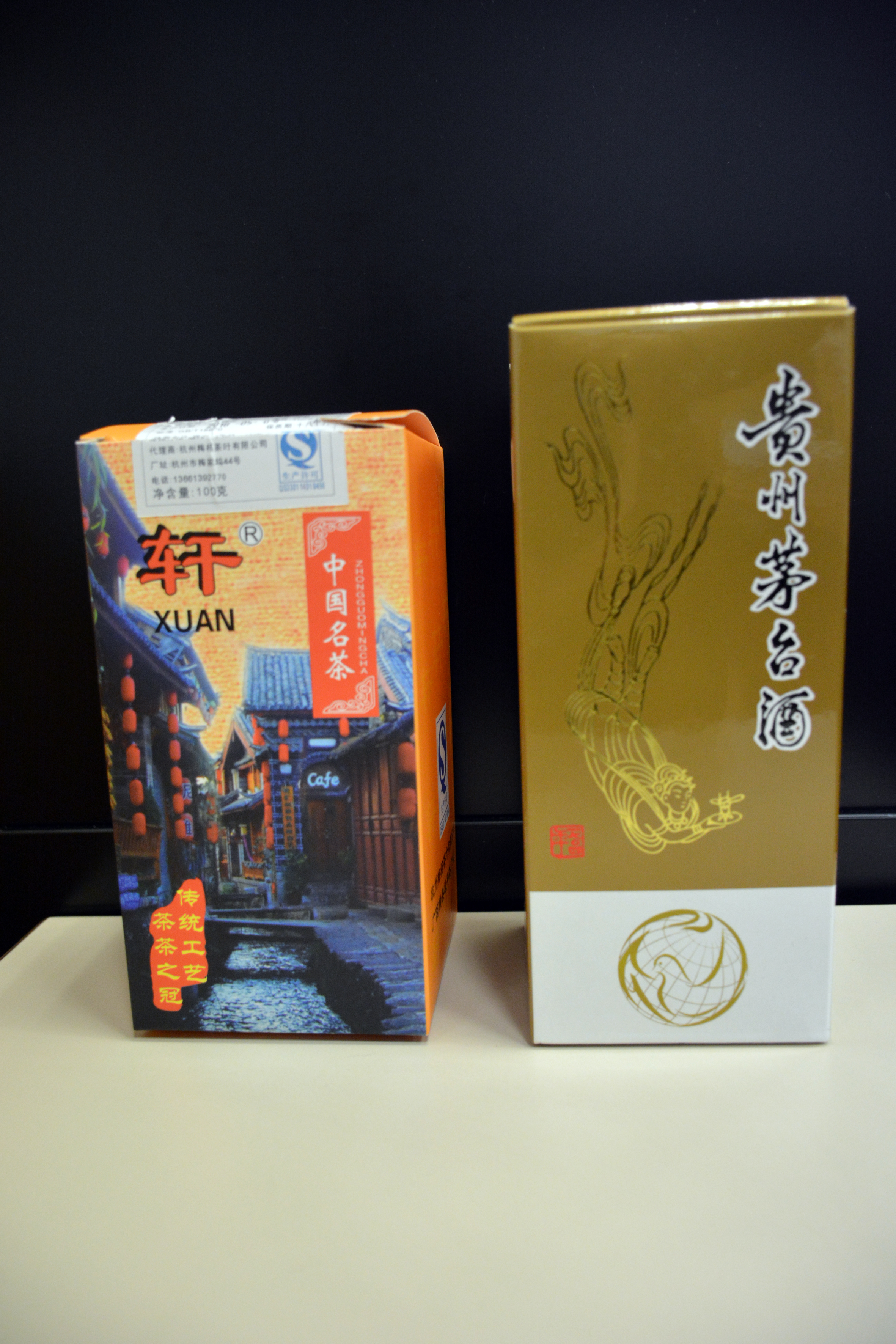
Diciembre 2018. Donado por la Delegación de China: Botella de licor y té chinos
Año 2019:
Enero 2019. Donado por el Instituto Geográfico Nacional: Cartografía de España
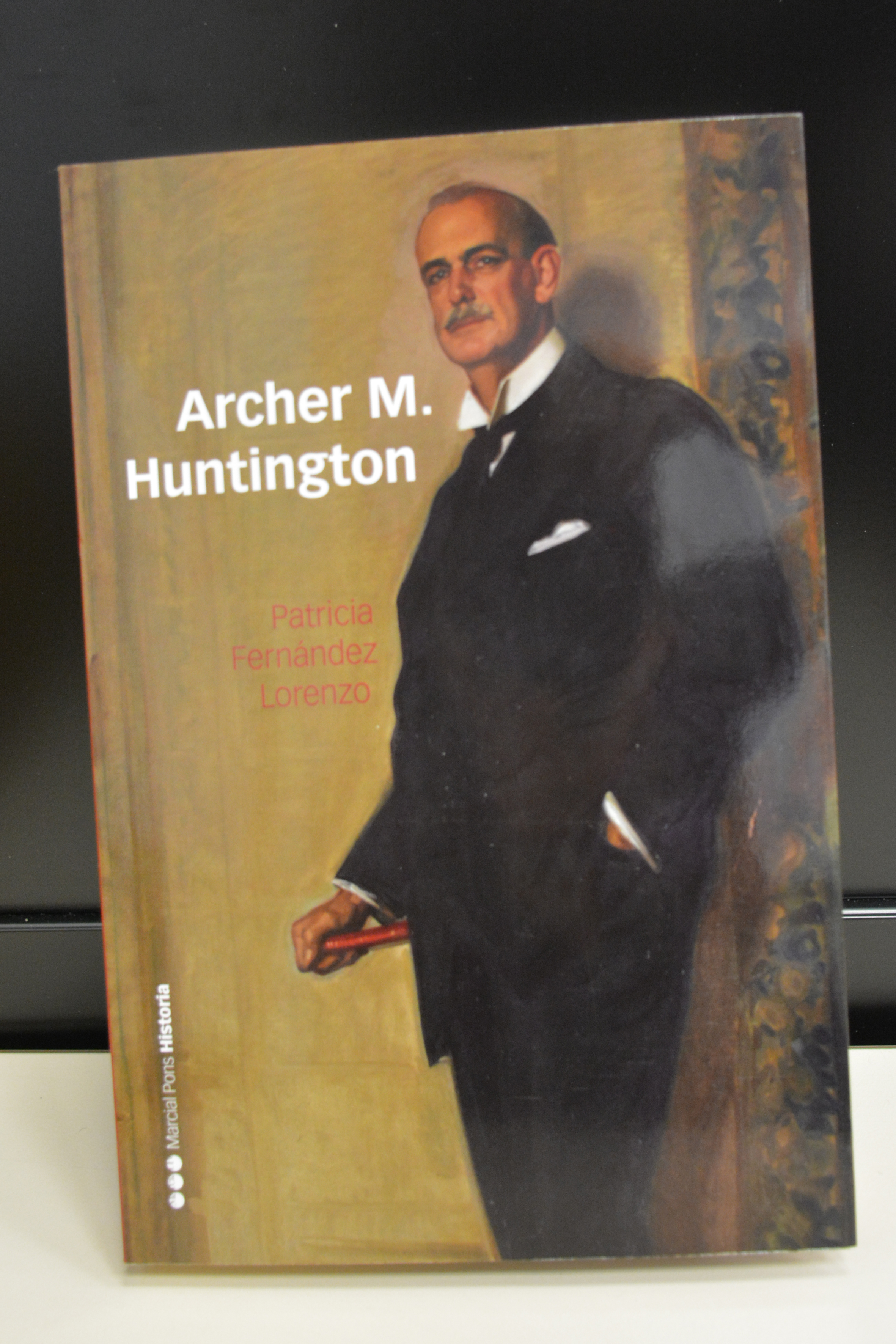
Enero 2019. Donado por la Fundación Alfonso Martín Escudero: Archer M. Huntington
Enero 2019. Donado por la Fundación Mapfre: Picasso
Enero 2019. Donado por la Fundación Mapfre: Redescubriendo el Mediterráneo
Enero 2019. Donado por el Instituto de censores jurados de Cuentas de España: Auditores. Una historia de éxitos
Enero 2019. Donado por la Fundación Mapfre: Shomei Tomatsu
Enero 2019. Donado por Correos: Valores en el tiempo
Enero 2019.Donado por la Fundación Mapfre: Humberto Rivas
Enero 2019. Donado por AEPD: 25 años de la Agencia Española de Protección de Datos: acompañando al ciudadano en su transformación digital
Enero 2019. Donado por BBVA: ¿Hacia una nueva ilustración? Una década trascendente
Julio 2019. Donado por la Dirección General de la Guardia Civil: Moneda conmemorativa
Octubre 2019. Consejo de la Judicatura de Ecuador: Réplica Escuela de la Función Judicial
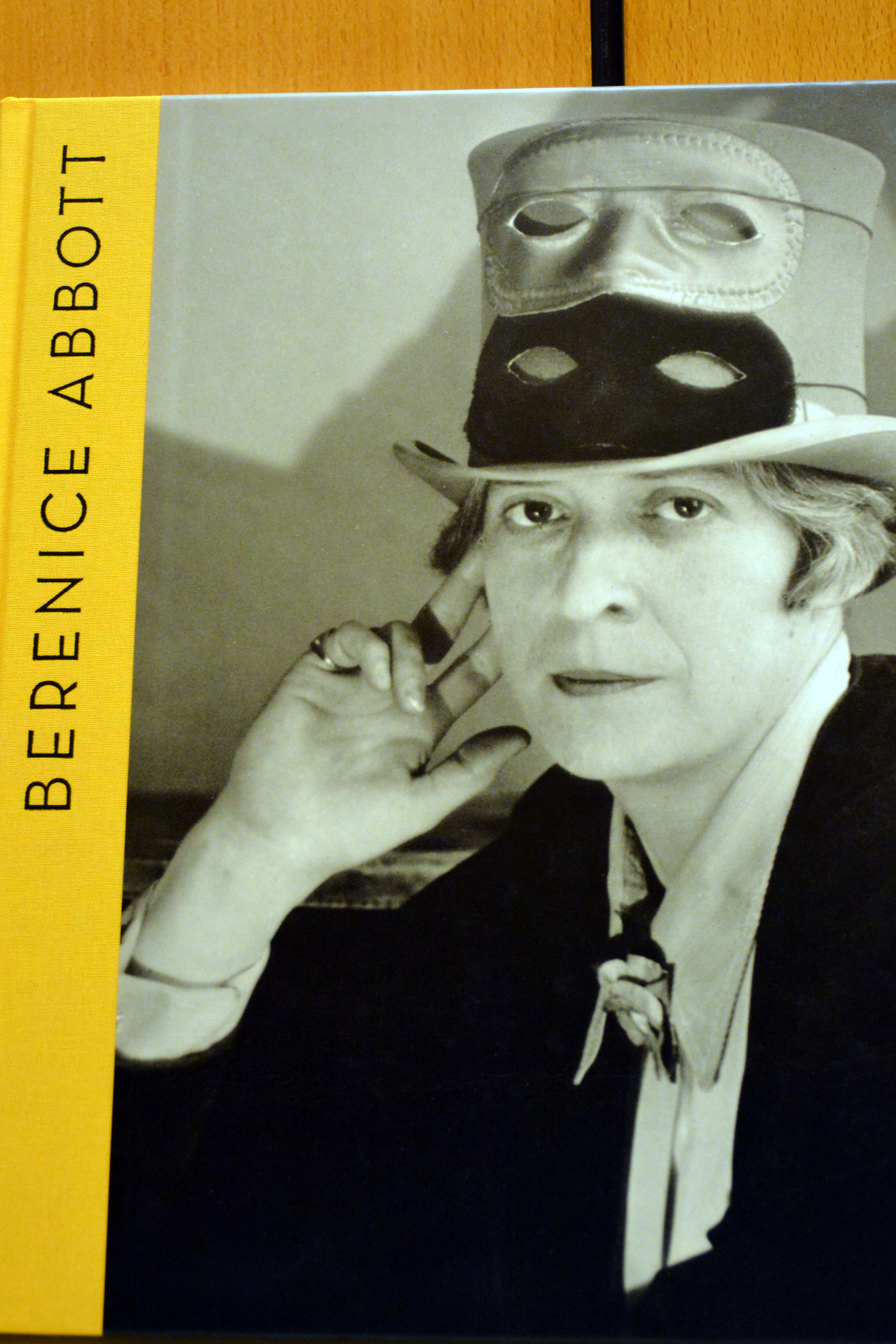
Octubre 2019. Fundación Mapfre: Berenice Abbott
Octubre 2019. Fundación Mapfre: De Chagall a Malévich
Octubre 2019. Banco de España: Guía de archivos históricos de la Banca en España
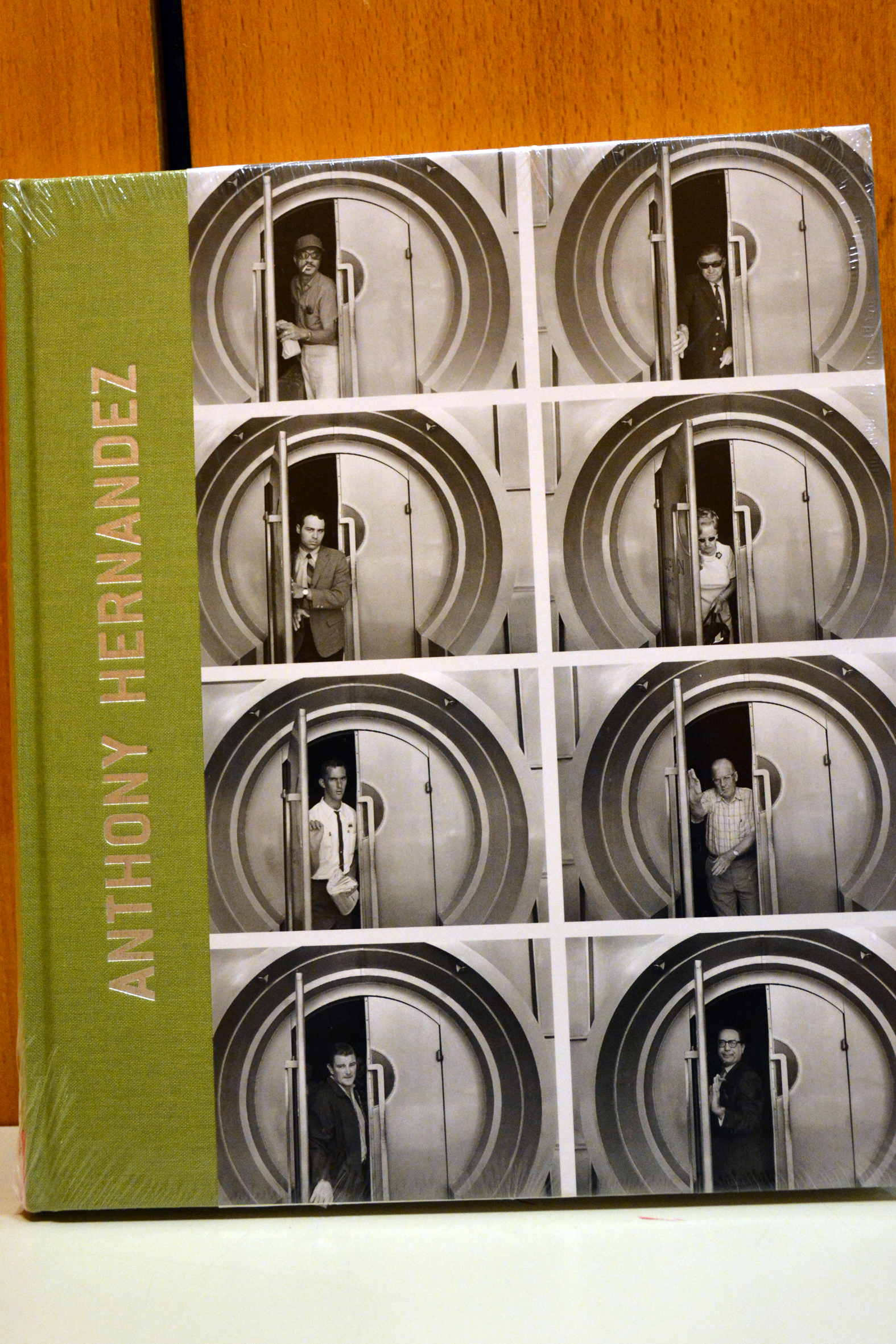
Octubre 2019. Fundación Mapfre: Anthony Hernández
Octubre 2019: Presidente del Consejo Superior del Poder Judicial de Marruecos: Metopa de caracteres árabes en estuche rojo y Tetera con bandeja en alpaca de la firma Aldobar.
Diciembre 2019: Lámina réplica de obra del artista Óscar Pineda. Delegación Judicial de la República de Panamá.
Año 2020:
Febrero 2020: Regalos institucionales que ha recibido el Presidente por parte del país anfitrión del VI Encuentro Judicial hispano-marroquí, celebrado en Marrakech el 3 y 4 de febrero: una alfombra, una bandeja y un plato.
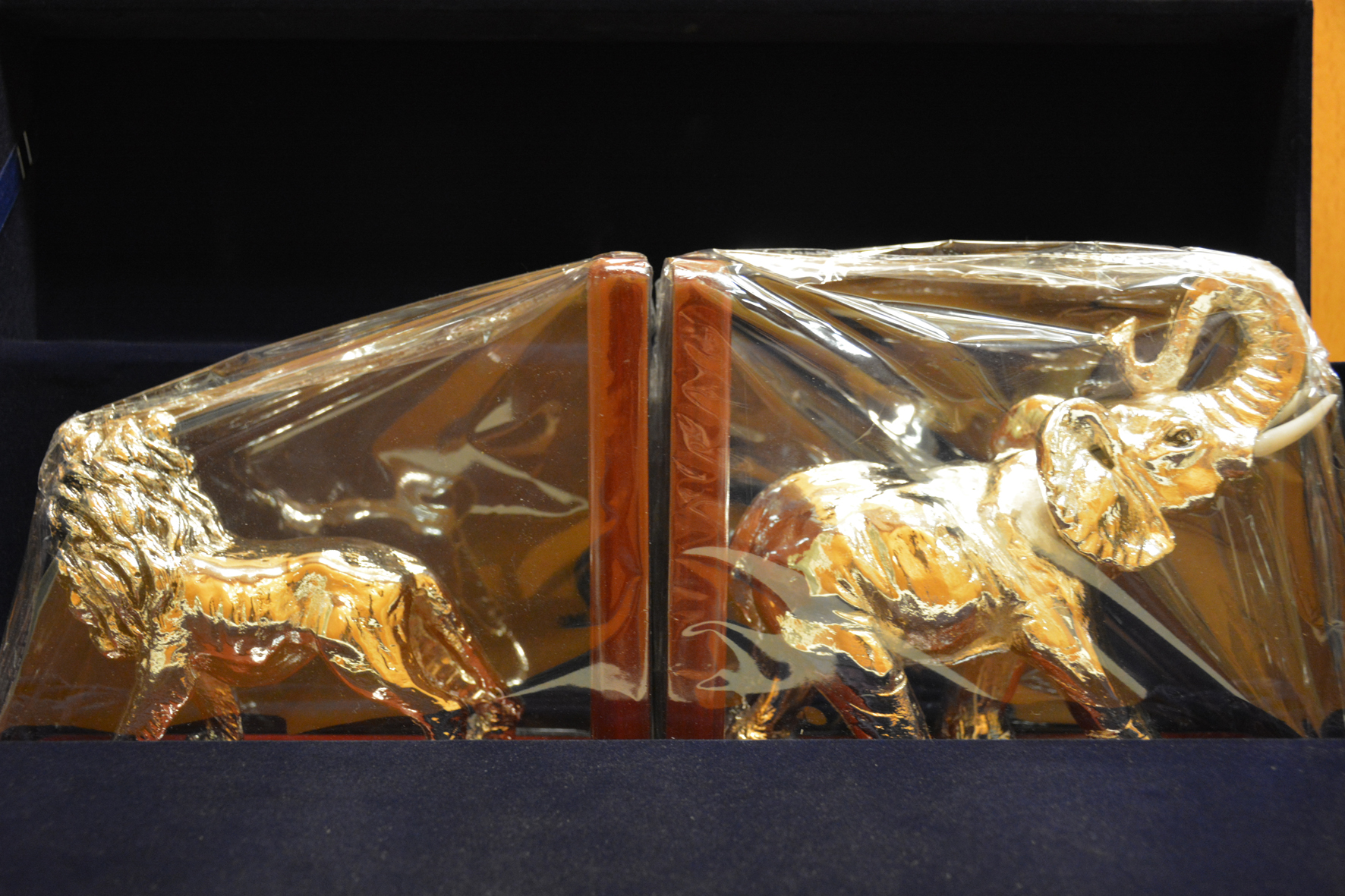
Marzo 2020: Corte Suprema de India. Libro titulado Architecture of Justice y sujetalibros.
Año 2021:
Septiembre 2021: Delegación judicial turca: Juego de café y caja de juego de café.
Año 2022:
Julio 2022: Presidente del Parlamento de Canarias. Reproducción en metal del Parlamento de Canarias.
Año 2023:
Marzo 2023: Presidente del Poder Judicial y de la Corte Suprema de Justicia de la República del Perú, Javier Arévalo Vela. Moneda.
Junio 2023: Consejo de la Magistratura de Argentina. Distintivo. Libro.
Año 2025:
Junio 2025: Premio Gumersindo de Azcárate 2025, concedido por el Colegio de Registradores de España al Poder Judicial. Premio.
 Sin Perfil